Background Stamps Digital Paper for Creators
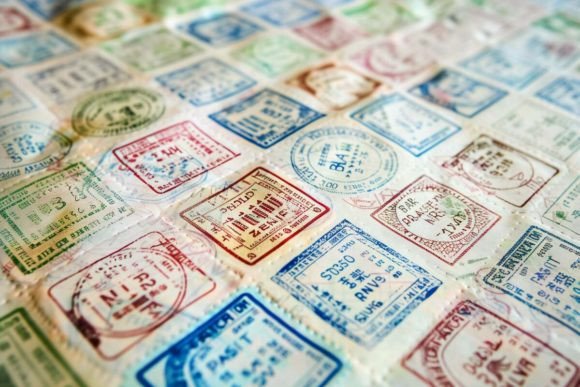
Digital design assets keep evolving, and one format that consistently delivers both flexibility and character is the single-file JPG with substantial resolution. A background stamps digital paper at 5000 x 3333 pixels, 300 dpi, and around 5 MB offers a unique intersection of scale and detail. It is not just a patterned image but a canvas that carries the texture, repetition, and handmade feel of stamps, ready to be used across countless projects. Whether you are building a brand identity, crafting educational materials, or exploring personal creative work, this kind of asset opens practical doors without demanding advanced software skills or heavy file management.
What Makes This Digital Paper Distinct
At first glance, a stamp-based digital paper might resemble any other patterned background. But the nature of stamps brings an irregular, tactile quality that vector-perfect repeats often lack. Stamps can be slightly rotated, unevenly inked, or layered in ways that feel organic. When captured at 300 dpi with a generous canvas size of 5000 x 3333 pixels, the file retains crisp edges and subtle nuance even when scaled for print or large digital displays. The 5 MB single JPG format means you can download, store, and insert it directly into your workflow without unzipping multiple files or managing layered assets. For anyone who values speed and simplicity, this is a practical advantage.
The resolution alone supports applications ranging from A4 print projects to social media banners, website headers, and even small posters. Because the file is a single JPG, it remains universally compatible with presentation software, design tools, word processors, and online platforms. You do not need to worry about missing fonts, broken links, or layer conflicts. What you see is a ready-to-use background that brings the stamp aesthetic into your work instantly.
Creative Applications Across Different Fields
The appeal of background stamps digital paper lies in its adaptability. Different users will approach it from different angles, and that variety is exactly what makes it a worthwhile asset to have on hand. Below are several practical ideas organized by user type and goal.
For Graphic Designers and Brand Creators
If you are building a brand identity that feels authentic and handcrafted, stamp textures can replace sterile gradients or flat colours. Use the digital paper as a background for mood boards, product mockups, or social media templates. The slight irregularities in stamp impressions add warmth without looking messy. For packaging concepts, scale the image to fit box wraps or labels. Because the file is a single JPG, you can quickly test how it looks on different mockup templates without complex masking. Pair it with minimalist typography to let the stamp texture carry visual interest. Designers working on wedding invitations, stationery sets, or artisanal product lines will find the aesthetic naturally aligned with a crafted, personal feel.
For Marketers and Content Creators
Marketers often need backgrounds that stand out in crowded feeds without overwhelming the message. A stamp pattern can serve as a subtle yet distinctive backdrop for quote graphics, promotional announcements, or email headers. Because the paper is a single file, you can batch-create content by placing text overlays directly on the image in Canva, Photoshop, or even PowerPoint. For seasonal campaigns or limited-time offers, the tactile quality of stamps suggests something handpicked and intentional. Consider using the digital paper as a repeating background for blog post featured images or as a texture behind product photography. The consistency of the pattern helps maintain visual cohesion across a campaign while the stamp style prevents it from feeling too corporate.
For Educators and Trainers
Educational materials benefit from backgrounds that are engaging but not distracting. A stamp-based digital paper can be used for worksheets, flashcards, presentation slides, or printable activity sheets. The 300 dpi resolution ensures clean print quality, and the single-file format makes it easy to insert into document templates. For teachers creating resources on platforms like Teachers Pay Teachers, having a unique background style can help products stand out. The stamp aesthetic works well for history or art lessons, but it can also add character to vocabulary lists, reward charts, or classroom newsletters. Because the file is large enough to crop or tile, you can extract different sections for varied uses without needing multiple assets.
For Small Business Owners and Entrepreneurs
Small business owners often wear many hats and need assets that work across multiple channels without requiring a design degree. A background stamps digital paper can be used for product labels, shop banners, business card backs, or social media posts. The single JPG format means you can upload it directly to print-on-demand platforms, Etsy listings, or your website media library. If you sell physical products, consider using the pattern as wrapping paper, insert cards, or packaging inserts. The tactile, stamp-inspired look aligns well with handmade or vintage brand identities. Business owners who run workshops or sell digital products can also use the paper as a backdrop for preview images, course materials, or lead magnets.
For Hobbyists and Freelancers
Freelancers and hobbyists often explore creative projects for personal satisfaction or side income. This digital paper can be used for junk journals, scrapbooking, card making, or digital art composites. Because the file is a single JPG, you can import it into Procreate, Photoshop, or even free software like GIMP and apply filters, colour overlays, or blending modes to create variations. Stamp patterns lend themselves well to collage-style work, layered compositions, or mixed-media aesthetics. For freelancers building a portfolio, using a consistent background style across project presentations can create a cohesive visual identity. The high resolution also allows you to print the paper at home for physical crafting without losing sharpness.
Adapting the Paper for Different Platforms and Formats
One of the strengths of a single-file JPG at this scale is how easily it adapts to different aspect ratios and resolutions. For social media, you can crop the image to square for Instagram, vertical for Stories or Reels, or horizontal for YouTube thumbnails and LinkedIn banners. Because the stamp pattern is distributed across a large canvas, you are unlikely to run into awkward edges or empty zones when cropping. For web use, you can compress the file slightly while maintaining the visual integrity. For print, the 300 dpi ensures that even at full size, the stamps remain sharp and the background looks intentional rather than pixelated.
When adapting the paper for different contexts, consider the colour palette of your project. If the stamps are in a neutral tone, you can overlay a semi-transparent colour block to shift the mood. If the stamps are multicoloured, use them as a full background and let them drive the palette. The single-file format also makes it easy to test variations quickly. Duplicate the file, adjust hue or saturation, and see what works best for your specific audience or platform without managing a complex file structure.
Keeping Projects Clear and Consistent
Working with a rich patterned background requires some attention to readability and composition. Stamp textures are visually engaging, but they can compete with text or foreground elements if not managed carefully. To keep results clear, use solid or semi-transparent overlays behind any text. A simple white or dark rectangle with reduced opacity can create a reading zone without hiding the pattern entirely. Alternatively, place text in areas where the stamp density is naturally lower, or use bold, large fonts that stand out against the texture.
Consistency comes from using the same digital paper across multiple assets in a project. Because it is a single file, you avoid colour shifts or pattern mismatches that can happen when using different sources. Whether you are creating a series of social posts, a set of product labels, or a multi-page document, the background remains uniform. This helps build visual recognition and a professional finish. For longer projects, keep a note of the exact file name and any adjustments you made, so you can replicate the effect later.
Practical Recommendations for Getting Started
If you are new to working with background stamps digital paper, start with a simple project to understand how the pattern behaves. Open the file in your preferred software and try placing text or simple shapes on top. Experiment with different overlay colours and opacities to see how the stamp texture interacts. For printed projects, do a test print on your home or local printer to confirm the colour and sharpness meet your expectations. Because the file is already optimised at 300 dpi, you should get a clean result without needing to upscale.
For those who want to push creative boundaries, try combining the digital paper with other textures or elements. Layer it with a subtle grid, a watercolour wash, or a handwritten font to create a more complex aesthetic. The stamp-based pattern can also be used as a mask or clipping mask in advanced software, allowing you to fill shapes or text with the texture itself. This technique works especially well for logos, titles, or decorative elements in branding projects.
Another approach is to use the paper as a starting point for digital collage. Cut out elements from the pattern, rotate them, and reposition them to create a custom composition. Because the original file is large, you can extract high-quality sections without losing resolution. This is particularly useful for scrapbooking or journaling projects where you want a handmade feel without scanning physical stamps.
Why This Format Works for Busy Creators
The reality for most adults juggling creative work between professional and personal projects is that time and simplicity matter. A single JPG file at 5000 x 3333 pixels with 300 dpi removes friction. You do not need to open a complex template, manage multiple layers, or worry about software compatibility. It is a drop-in asset that works the first time. The stamp aesthetic itself is versatile enough to feel different across contexts, but the file format ensures you spend less time managing assets and more time creating. That balance between creative potential and practical ease is what makes background stamps digital paper a genuinely useful addition to any creator’s library.
Whether you are designing for a client, building your own brand, teaching a class, or crafting for enjoyment, this single asset can support a wide range of outputs. The key is to approach it with a clear idea of your audience and the feeling you want to convey. Stamps suggest communication, authenticity, and a human touch. When used thoughtfully, that quality can elevate a project from ordinary to memorable without adding extra complexity to your workflow.