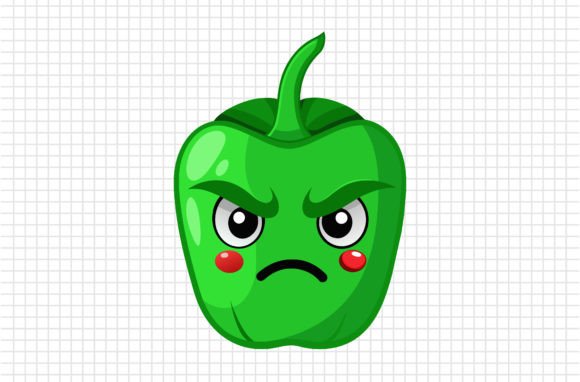
The Green Capsicum Illustration Vector: Versatile Design for Creators and Entrepreneurs
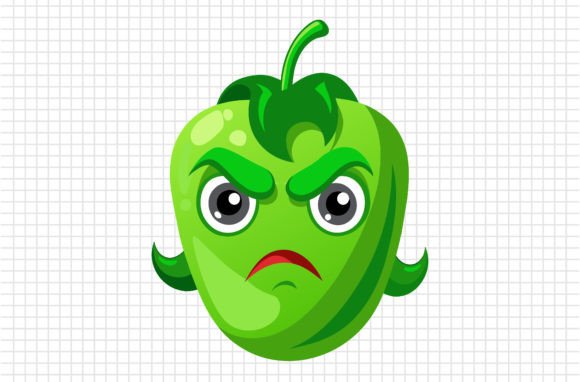
When you work with digital design assets, finding a vector that bridges charm, functionality, and professional polish can be surprisingly difficult. Many illustrations feel either too cartoonish for commercial use or too abstract to connect with an audience. The Green Capsicum Illustration Vector, paired with a funny capsicum character vector illustration and a clean pepper silhouette vector art design, offers a practical solution. Whether you are customizing apparel, building a brand around food-themed visuals, or adding personality to home décor, this set provides a foundation you can adapt across multiple workflows.
This article walks through what this design bundle includes, where it fits into a typical creative pipeline, and how you can integrate the files into your own projects. Instead of generic inspiration, you will find concrete steps for preparation, file handling, and long-term reuse.
Understanding the Green Capsicum Vector Set
At its core, the collection contains three distinct visual elements: a detailed green capsicum illustration in vector format, a playful capsicum character with expressive features, and a pepper silhouette that works well for minimalist or layered designs. You receive two file formats – EPS and JPEG – which cover both editable vector needs and immediate raster previews.
The EPS file is the primary working asset. It retains layers, paths, and scalability, meaning you can resize it from a small embroidery patch to a large wall decal without losing sharpness. The JPEG acts as a quick reference for placement, color checking, or sharing with clients before committing to final production. Because the files are delivered as a digital download, you gain immediate access without waiting for physical shipping. This is especially useful if you are working on a tight deadline or iterating on multiple design versions.
Where This Design Fits in Your Creative Workflow
Every project has a sequence of phases: planning, asset acquisition, production, and quality control. The Green Capsicum Illustration Vector fits naturally into the asset acquisition stage, but its versatility means you can also reach for it during later revisions or even as a starting point for a new concept.
Before the project: If you are mapping out a summer-themed apparel line or a kitchen-décor collection, having a pre-made vector like this saves hours of original illustration time. You can drop it into mood boards, test color harmonies, and decide whether the funny capsicum character adds the right tone to your brand voice. During planning, you can also confirm that the file format (EPS) is compatible with your design software – Adobe Illustrator, CorelDraw, Inkscape, or Affinity Designer handle EPS well. If you work with CAD or laser-cutting software, check your import settings ahead of time.
During the project: Once you are in the production phase, the vector integrates directly into your layout. Because it is a vector, you can scale the pepper silhouette to fit a t-shirt left chest print or enlarge it for a poster without redrawing. The funny capsicum character can be placed in a greeting card, sticker sheet, or party invitation. The layered EPS lets you adjust individual colors, remove backgrounds, or combine elements with other assets in your library. This reduces the need to start from scratch when a client requests a minor tweak.
After the project: After you finish a batch of products – say a set of embroidered aprons with the capsicum character – you can archive the EPS file for future reuse. If you later decide to create matching coasters or a wall art series, you already have a proven design that fits your established style. This cuts down on repeated sourcing costs and keeps your visual identity consistent across product lines.
Preparing Your Files for Different Use Cases
Before you start designing, spend a few minutes on file preparation. The download comes as a compressed folder (ZIP). You will need a computer to extract the files – a standard archive utility works on Windows, macOS, or Linux. Once unzipped, you have two files. Here is how to prepare each for common outputs:
- For apparel (tees, clothes): Open the EPS in your vector editor. Ensure the artboard matches your print area. Convert any strokes to outlines if you plan to resize drastically. If you screen print, separate colors into spot channels. For direct-to-garment (DTG), flatten the design to a single layer with a transparent background.
- For stickers and party items: Use the EPS to create a cut line around the funny capsicum character. Add a white border for kiss-cut stickers. Export a high-resolution PNG with transparency from the EPS for use in sticker-making software like Silhouette Studio or Cricut Design Space.
- For wall art and home decoration: The pepper silhouette works beautifully as a single-color stencil. Trace the silhouette from the EPS, scale it to your canvas or wall size, and laser cut or vinyl cut the shape. The JPEG can be printed on canvas or photo paper for a ready-to-frame image.
- For embroidery designs: Convert the EPS into a machine-readable embroidery file (e.g., PES, DST) using digitizing software. Because the vector is clean, stitch paths will follow the shapes accurately. You may want to simplify small details in the funny capsicum character to avoid overly dense stitching.
- For pallet stencils or craft projects: The EPS allows you to cut the design from adhesive vinyl or stencil material. Apply it to painted wood pallets, then peel away to reveal the green capsicum silhouette. This is a popular technique for rustic home décor.
Integrating the Funny Capsicum Character Into Apparel
Clothing customization demands designs that fit well on fabric, retain their charm after washing, and appeal to the intended audience. The funny capsicum character vector illustration brings personality that works well on kids’ wear, novelty tees, chef uniforms, or farmer’s market merchandise.
When placing the character on a garment, consider the print area. A left chest print works for a small emblem (about 3–4 inches wide). The vector scales without degradation, so you can also create an all-over print if your production method supports it. The character’s facial features – eyes, smile, maybe eyebrows – should remain clear even at smaller sizes. Test a sample print on a similar fabric before committing to a bulk order. The JPEG file included in the download lets you do a quick paper mockup: print it at full size, hold it against the garment, and assess proportion and readability.
For screen printing, separate the character into color layers (green body, black features, white accents). The EPS file structure likely groups these by color, but you may need to ungroup and assign spot colors manually. If you use direct-to-film (DTF) or heat transfer, flatten the design into a single PNG with a white underbase layer. Always check whether the design requires a white background or can be printed on dark fabric with an opaque underbase.
Using the Pepper Silhouette for Home Décor and Wall Art
Silhouette-based design has a long shelf life in interior decoration because it fits both modern minimalist and farmhouse aesthetics. The pepper silhouette vector art design is especially versatile. It can stand alone as a single large print or repeat as a pattern on wallpaper, throw pillows, or kitchen towels.
For a DIY wall art project, open the EPS in your vector software and scale the pepper silhouette to your desired poster size – 18x24 inches works well for a kitchen gallery wall. Export a high-resolution PDF and send it to a print shop on matte paper, or print it at home if you have a large-format printer. The clean edges of a vector silhouette eliminate pixelation even at poster size.
If you prefer layered wall art, create multiple copies of the silhouette, scale them differently, and arrange them in a cascading composition. You can fill each pepper with a different shade of green or keep them uniform for a monochromatic look. The EPS makes this kind of repeat use effortless because you can duplicate and modify individual elements without redrawing.
For home decoration on a smaller scale – coasters, magnets, or tile decals – the silhouette can be cut from adhesive vinyl using a cutting machine. Import the EPS into your cutter’s software, assign cut lines, and weed away the excess. The result is a crisp, professional-looking item that coordinates with the larger wall art.
Embroidery and Craft Projects: Tips for Digital Cut Files
Embroidery adds texture and durability to designs, but vector illustrations need conversion before they work on an embroidery machine. The Green Capsicum Illustration Vector, with its clear outlines and moderate detail, is a good candidate for digitizing if you follow a few guidelines.
First, simplify the design. The funny capsicum character may have small features (eyes, mouth) that become too dense if stitched at a small size. Reduce the stitch count by merging small gaps or converting thin lines into satin stitches. Most digitizing software can import EPS directly; if not, open the EPS in a vector editor and export as a simplified AI or SVG file.
Second, test the stitch-out on scrap fabric before embroidering final products. Use the included JPEG to create a paper template – pin it to the fabric to check placement and scale. Adjust the hoop size and stabilizer according to your fabric type. For example, a tote bag made of cotton canvas needs a tear-away stabilizer, while a stretchy t-shirt requires cut-away stabilizer plus a topping.
For non-embroidery craft projects, such as stenciling on pallets or making decoupage items, the vector’s clean silhouette edges are ideal. Use the EPS to cut stencil material with a craft cutter, or trace the JPEG onto contact paper and cut by hand. The pepper silhouette design works especially well as a repeat stencil pattern on furniture – just rotate the shape slightly between applications for a natural look.
Quality Checks and File Management Best Practices
Because you are working with a digital download, it is smart to verify the file quality before you invest time in production. The seller includes a note to check the quality of a sample print before buying – but since you already purchased, you can use the JPEG to do a test at home. Print the JPEG at 100% scale on plain paper and hold it against your intended surface (fabric, wall, pallet). This reveals whether the size works and whether any fine details get lost in translation.
Manage your files with an organized naming system. Rename the EPS to something descriptive like green_capsicum_full.eps and the JPEG to capsicum_preview.jpg. Store them in a folder named by project or by asset type. If you plan to reuse the vector across multiple client projects, keep the original EPS separate from any modified versions. That way you can always return to the source if you need a fresh start.
Back up the ZIP file to cloud storage or an external drive. Digital downloads are typically non-returnable, but you own the file permanently. Preserving it in multiple locations protects against accidental deletion.
Long-Term Value and How to Reuse the Vector
One of the strongest arguments for investing in a vector design like this is its reusability. Because you receive an EPS file that is infinitely scalable and editable, you can adapt the same green capsicum illustration for seasonal promotions, different product lines, or completely new mediums.
For example, you might use the funny capsicum character in a spring farmers’ market flyer. Six months later, you can modify the colors (swap green for orange to represent a pumpkin spice theme) and use the same base shape for fall branding. The pepper silhouette can become a logo element for a spice company, then evolve into a pattern for wrapping paper. Each reuse builds on your original asset without requiring additional purchase.
If you sell products on platforms like Etsy or Shopify, having a consistent visual theme across your store increases brand recognition. Customers who see the capsicum character on a t-shirt will recognize it on a tote bag or wall art. The vector’s flexibility lets you maintain that consistency while exploring new formats.
Finally, remember that vector files are not tied to any single software. The EPS format is widely supported across design, cutting, and embroidery applications. This makes the Green Capsicum Illustration Vector a truly cross-platform asset that fits into the way professionals, hobbyists, and small business owners actually work – not as a one-off decoration, but as a reusable building block in a larger creative system. Whether you are sketching ideas, fulfilling orders, or teaching design to others, having a versatile, character-rich vector like this streamlines your process and elevates your final output.
Have a nice day.