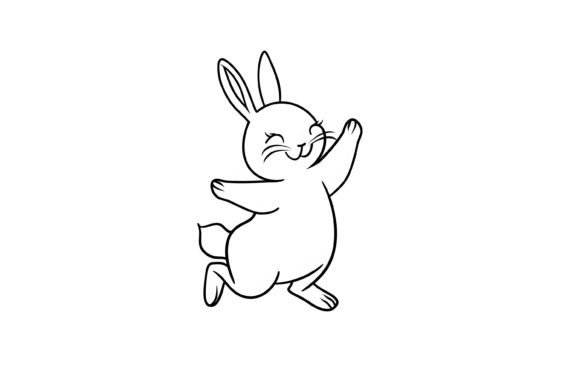
Happy Animal Coloring Pages for Kids: A Joyful Path to Creativity and Learning
Coloring has long been a cherished activity for children, offering a quiet moment of focus in a busy world. Among the most beloved themes are happy animal coloring pages for kids, which combine the delight of adorable creatures with the therapeutic benefits of artistic expression. Whether it's a grinning puppy, a cheerful kitten, or a playful baby bear, these pages invite little ones into a world of color and imagination. In this article, we'll explore everything from the developmental advantages of coloring to practical tips for using cute baby happy animal coloring pages for kids at home or in the classroom.
What Are Happy Animal Coloring Pages?
Happy animal coloring pages are printable or digital illustrations featuring animals with joyful expressions and playful poses. Unlike realistic or complex designs, these pages are intentionally simple and heartwarming. The focus is on happiness — big smiles, bright eyes, and energetic stances that naturally appeal to young children. A cute baby happy animal coloring page for kids typically features infant animals like a baby elephant, a fluffy chick, or a tiny bunny, often surrounded by cheerful elements like flowers, hearts, or sunbeams.
What makes these pages special is that they are perfectly suited for kids. The illustrations are outlined clearly, making it easy for little artists to color within the lines and create stunning masterpieces. The thick, bold lines provide clear boundaries, reducing frustration and building confidence. This design choice is intentional — it allows children to focus on the joy of coloring rather than worrying about staying inside the lines.
Why Animal Themes Resonate with Children
Animals are a universal source of fascination for kids. From the earliest age, children are drawn to stories, toys, and images of animals. This natural affinity makes happy animal coloring pages for kids an immediate hit. Animals represent comfort, friendship, and adventure. A smiling lion or a happy dolphin feels approachable and safe, encouraging children to engage more deeply with the activity.
Moreover, animals offer a wide range of shapes and textures to color. A fluffy sheep, a spotted giraffe, or a striped tiger each present unique opportunities for color exploration. Kids learn about patterns, symmetry, and contrast without even realizing they're learning. The emotional connection to animals also fosters empathy and care, as children often imagine stories about the animals they color.
The Educational and Developmental Benefits
Coloring is far more than a pastime. It is a powerful tool for development. Here are some key benefits of cute baby happy animal coloring pages for kids:
Fine Motor Skills and Hand-Eye Coordination
Holding a crayon or pencil and staying within the lines requires precise control. This strengthens the small muscles in the hands and fingers, which are essential for writing, tying shoes, and other daily tasks. The clear outlines in these pages provide just enough guidance to challenge without overwhelming.
Focus and Concentration
In a world of constant digital stimulation, coloring offers a calm, focused activity. Children learn to concentrate on one task for an extended period. The cheerful animal imagery makes this focus feel effortless and fun.
Color Recognition and Decision-Making
When a child chooses to color a bunny pink instead of brown, they are making a creative decision. They experiment with color combinations and learn about cause and effect. Happy animal coloring pages for kids encourage this experimentation because the subjects are familiar and non-threatening.
Emotional Expression
Coloring can be a form of emotional release. Bright, happy colors often reflect a child's positive mood, while darker hues might indicate other feelings. The act of completing a page also provides a sense of accomplishment, boosting self-esteem.
Language and Storytelling
As children color, they often talk to themselves or others about the animal. "This is a happy puppy who loves to play in the park." This spontaneous storytelling builds vocabulary and narrative skills. Parents and teachers can encourage this by asking questions like, "What do you think this baby animal's name is?"
What Makes These Coloring Pages Special?
Not all coloring pages are created equal. The happy animal coloring page for kids and cute baby happy animal coloring page for kids described here come with specific features that enhance the experience:
- High Resolution: 2784×3696 pixels — This means the image is crisp and clear, even when printed at large sizes. No pixelation or blurriness.
- 300 DPI (Dots Per Inch): Professional print quality. The lines are sharp, and the details are preserved. This is especially important for young children who need clear boundaries.
- Black and White: The pages are in grayscale, allowing children to choose their own colors. This maximizes creativity.
- JPG Format: Easy to download, print, and share. Compatible with virtually all devices and printers.
- Clear Outlines: Thick, bold lines that are easy for little hands to follow. No intricate details that frustrate beginners.
These technical specifications matter because they directly affect the user experience. A blurry or low-resolution page can be discouraging for a child who wants to create something beautiful. With 2784×3696 px at 300 DPI, every print is gallery-ready.
How to Use Happy Animal Coloring Pages Effectively
Whether you are a parent, teacher, or caregiver, here are practical ways to get the most out of these pages:
At Home
- Create a Coloring Corner: Set up a small table with crayons, colored pencils, and markers. Keep a stack of cute baby happy animal coloring pages for kids readily available.
- Make It a Routine: Coloring before bedtime or after school can be a calming transition activity.
- Display the Artwork: Hang finished pages on the fridge or a wall. Celebrate the child's effort, not just the outcome.
- Color Together: Join in! Adults can model coloring techniques and enjoy the relaxation benefits too.
- Tell Stories: Ask the child to create a name and story for each animal they color. This extends the activity into literacy.
In the Classroom
- Use as a Reward: Offer coloring time as a positive incentive for completing other tasks.
- Themed Lessons: Pair a happy animal coloring page for kids with a science lesson about that animal. For example, color a happy dolphin while learning about ocean habitats.
- Group Projects: Have each child color a different animal, then create a class mural. This teaches teamwork and pride in collective work.
- Fine Motor Practice: Use these pages specifically for students who need extra fine motor skill development. The clear outlines are ideal.
- Quiet Time: After recess or lunch, coloring can help settle the class and refocus attention.
Common Misunderstandings About Coloring Pages
Some adults believe that coloring is "just for fun" or that it doesn't offer real learning value. This is a misconception. Happy animal coloring pages for kids are a gateway to multiple developmental domains. Here are a few myths clarified:
- Myth: Coloring stifles creativity. Truth: Coloring pages with clear outlines actually provide a structure within which creativity can flourish. Children still choose colors, add details, and invent stories. The outline is a scaffold, not a cage.
- Myth: Only young children benefit. Truth: While these pages are designed for kids, older children and even adults enjoy them for relaxation. The cute baby animal theme has cross-generational appeal.
- Myth: Digital coloring is better. Truth: Physical coloring with crayons or pencils offers tactile feedback that screens cannot replicate. The act of pressing down, blending colors, and feeling the paper is essential for sensory development.
- Myth: Any coloring page is the same. Truth: Quality matters. Low-resolution images can frustrate children. The 300 DPI, 2784×3696 px specification ensures a premium experience that supports the child's success.
Fitting Coloring Pages into Modern Life
In today's fast-paced, screen-dominated world, cute baby happy animal coloring pages for kids offer a valuable offline experience. They are easy to access — simply download the JPG file and print at home. This makes them ideal for travel, waiting rooms, restaurants, or any time a child needs a quiet activity.
Many parents use these pages as a replacement for screen time during meals or car rides. Teachers use them as a tool for mindfulness and emotional regulation. The portability and simplicity of a printed coloring page make it a timeless resource in an increasingly digital age.
Tips for Getting the Best Results
To truly create a "stunning masterpiece," consider these suggestions:
- Use Good Materials: Thicker paper prevents bleed-through. Quality crayons or colored pencils make colors pop.
- Start from the Center: Encourage children to color the main animal first, then move to the background. This builds focus.
- Layer Colors: Show kids how to layer light colors first, then add darker shades for depth. A happy animal can look even happier with a little shading!
- Add a Background: After coloring the animal, invite the child to draw a simple background — a sunny sky, green grass, or even a rainbow.
- Frame It: For a truly special page, frame the finished artwork. This validates the child's effort and creates a cherished keepsake.
Conclusion
Happy animal coloring pages for kids are more than just a fun activity. They are a doorway to creativity, learning, and emotional well-being. With their clear outlines, high-resolution format (2784×3696 px at 300 DPI), and universally appealing animal subjects, these pages are an excellent resource for parents, teachers, and caregivers. Whether you are looking for a quiet afternoon project, a classroom tool, or a way to bond with your child, cute baby happy animal coloring pages for kids deliver joy and value in every stroke of color.
Download your JPG High Resolution file today and watch as your little artist brings these happy animals to life — one color at a time.