Evaluating the 4th of July Seamless Pattern 90 for Your Digital Design Needs
When you are working on a patriotic project for Independence Day, the visual foundation you choose can shape the entire feel of your design. The 4th of July Seamless Pattern 90 offers a specific approach to this challenge, but understanding how it fits into the broader landscape of digital assets is essential for making a thoughtful choice. This article examines what this pattern offers, how it compares with other options, and the factors that matter most when you are selecting a design resource for your next project.
What the 4th of July Seamless Pattern 90 Actually Provides
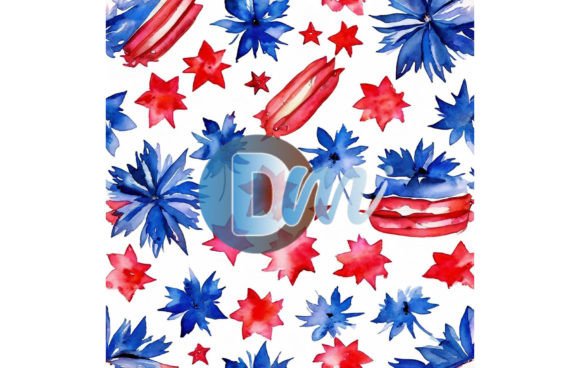
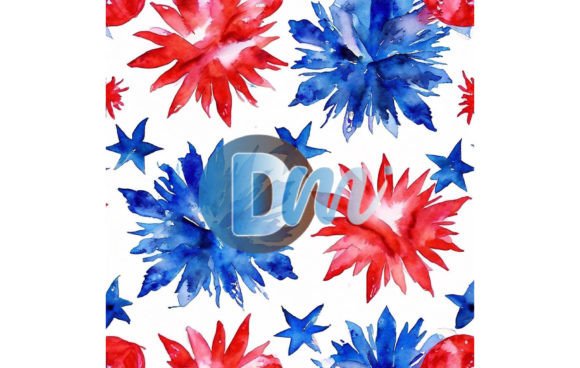
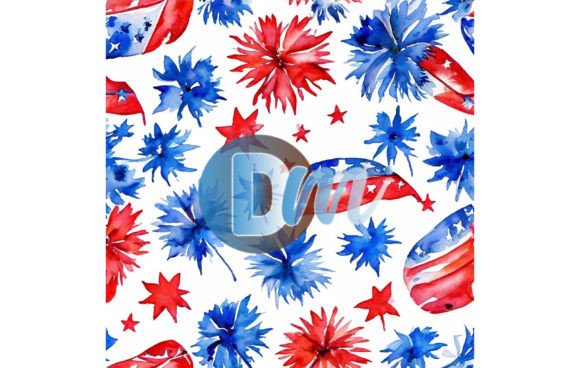
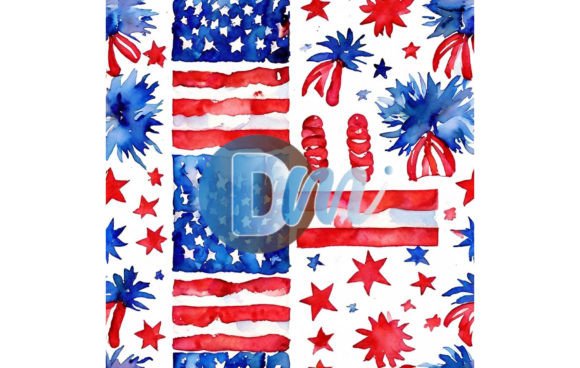
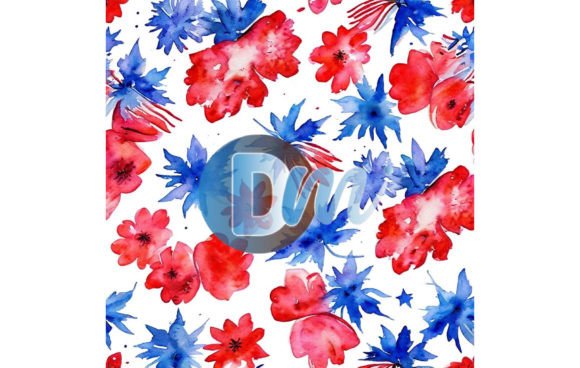
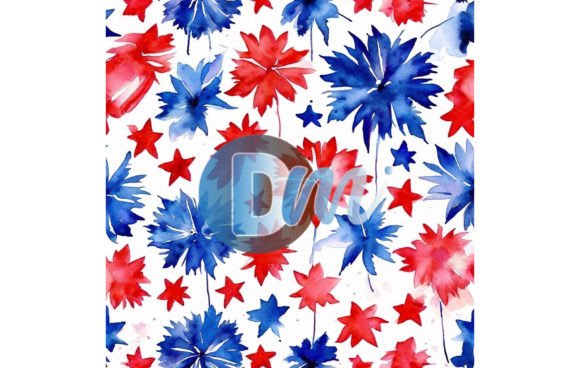
This product is a digital download that delivers a single high-resolution JPEG file. The image measures 1024 x 1024 pixels at 300 DPI, which gives you a clean, crisp foundation for a variety of uses. The seamless nature of the pattern means it repeats without visible edges, making it suitable for covering larger areas like backgrounds, wrapping paper, or fabric prints. The designation "90" likely refers to a specific colorway, motif arrangement, or style within a broader collection, so the pattern carries a distinct visual character that sets it apart from generic red, white, and blue repeats.
Because this is an instant download, you gain immediate access after purchase. There is no shipping time, no physical inventory, and no risk of damage in transit. For anyone working on a tight deadline—whether for a last-minute party decoration or a client project due the next morning—that immediacy is a practical advantage. The file is a standard JPEG, which means it opens in virtually any image viewer or editor without requiring specialized software.
How This Pattern Compares with Other Digital Design Assets
When you evaluate the 4th of July Seamless Pattern 90, it helps to consider the alternatives available for patriotic-themed projects. One common option is purchasing a bundled pattern pack that includes multiple designs, color variations, and file formats such as PNG, SVG, or EPS. Those bundles offer more versatility if you need different looks for different elements of a single project. However, they often cost more, and you may end up paying for patterns you never use.
Another alternative is creating your own seamless pattern from scratch using vector software. This approach gives you total creative control, but it requires time, skill, and software proficiency. For someone who needs a quick, professional result without the learning curve, a pre-made pattern like this one is far more efficient.
There are also free pattern resources available online, though quality and resolution vary widely. A free pattern may look fine on screen, but at 300 DPI, this design is optimized for print. If you are producing physical items such as greeting cards, invitations, or scrapbook pages, that resolution makes a visible difference in the final product. Free options often come with restrictive licenses or no commercial use rights, whereas this pattern is designed for a wide range of personal and commercial applications.
Strengths and Practical Tradeoffs of the 300 DPI JPEG Format
The decision to work with a single JPEG file has both advantages and limitations. On the positive side, the JPEG format is universally compatible. You can use it immediately without converting file types or worrying about transparency layers. The 1024 x 1024 pixel size is large enough for many common uses, from desktop backgrounds to card fronts, and the 300 DPI resolution ensures the print output remains sharp even at moderate enlargement.
However, there are tradeoffs worth considering. JPEG does not support transparency, so if you need to overlay the pattern on a colored background or composite it with other elements in a design, you may need to do some extra work in your editing software. A PNG file with a transparent background would be more flexible for layered compositions. Additionally, the single-file format means you get one color variation and one scale. If the pattern is too large or too small for your intended application, you will need to resize it yourself, which can affect the seamlessness if not done carefully.
For many projects, these limitations are minor. If you are using the pattern as a wallpaper, a scrapbook paper, or a digital background, the JPEG format is perfectly adequate. The key is matching the format to the task at hand.
When This Pattern Is the Right Choice
The 4th of July Seamless Pattern 90 is particularly well suited for projects where you need a cohesive, repeating background that evokes a patriotic theme without overwhelming the main content. Invitations and greeting cards benefit from a subtle or moderately scaled pattern behind text and images. Desktop backgrounds and digital wallpapers gain a festive feel without being distracting, especially if the colors and motif are balanced.
Scrapbooking is another area where this pattern shines. A 300 DPI seamless design prints cleanly on photo paper or cardstock, and the repeating nature allows you to cover entire pages or cut specific sections for accents. For birthday party decorations with a patriotic twist, you can print the pattern on labels, favor bags, or banner elements, creating a unified look across multiple items.
If you are designing for digital use—such as social media graphics, website headers, or Zoom backgrounds—the 1024 x 1024 pixel size is generally sufficient, though you may need to scale it for wider formats. The pattern works well when you want a background that adds texture and theme without drawing too much attention away from your foreground content.
When You May Want to Consider Another Option
If your project requires multiple color variations to match different elements of a larger campaign, a single pattern may feel limiting. For instance, if you are designing a full suite of wedding or party materials that need coordinating but distinct patterns, you might be better served by a multi-pattern bundle or a customizable vector file.
Similarly, if you need the pattern to scale up significantly—for example, as a large banner or a fabric print for a tablecloth—the 1024 x 1024 pixel file may require enlargement that reduces sharpness. At that point, a vector-based pattern (such as an EPS or SVG file) would be more appropriate because vectors scale infinitely without loss of quality.
For professional print projects where color accuracy is critical, JPEG compression can sometimes introduce slight artifacts or color shifts. In those cases, a TIFF or PNG file might be preferred. However, for the vast majority of personal and small-scale commercial projects, the quality of a 300 DPI JPEG is more than adequate.
Key Decision Factors When Choosing a Seamless Pattern
When you compare options, consider the following factors to determine whether a pattern like this one meets your needs:
- Resolution and print quality: At 300 DPI, this pattern supports clean prints up to about 3.4 x 3.4 inches at full resolution. You can print larger with acceptable results, but pixelation may become visible at significant enlargement.
- File format versatility: JPEG works for most applications, but if you need transparency or layering, look for PNG or vector alternatives.
- Color scheme and motif: The "90" designation likely indicates a specific palette and design. Make sure it aligns with your overall visual direction before purchasing.
- Licensing and usage rights: Digital downloads typically allow personal and commercial use, but always verify the terms if you plan to sell products featuring the pattern.
- Speed of access: Instant downloads eliminate waiting time, which is invaluable for urgent projects.
- Cost per design: A single pattern is budget friendly if you need exactly one look. If you anticipate needing multiple patterns, a bundle may offer better value.
Practical Examples of Use Cases
Imagine you are creating invitations for a July 4th barbecue. You want a background that suggests celebration without competing with the text. The 4th of July Seamless Pattern 90 can be placed behind your invitation wording, perhaps with a slight opacity reduction, to add a festive layer. The seamless repeat ensures the background looks intentional and continuous, not like a tiled afterthought.
For a digital desktop wallpaper, the same pattern can be used at full opacity across the screen. If the pattern includes motifs like stars, stripes, or fireworks, they will repeat in a way that feels rhythmic and designed. The 1024 x 1024 resolution works well for most monitors if tiled, though you may want to center the image on larger screens with a solid color border.
For scrapbooking, print the pattern on adhesive paper and cut out shapes, borders, or frames. The high resolution means the print will hold detail even on textured paper. You can also use the pattern as a full-page background and layer photos and journaling on top.
Making an Informed Decision
Choosing a design asset is ultimately about matching the tool to the task. The 4th of July Seamless Pattern 90 offers a specific combination of attributes: immediate digital delivery, high print resolution, a seamless repeat, and a distinct patriotic aesthetic. For many users—particularly those working on invitations, decorations, scrapbooks, or digital backgrounds—this combination is both practical and effective.
If your project demands greater flexibility in format, scale, or color variation, you may need to explore other resources. But for a focused, time-sensitive, or print-oriented project where one strong pattern is enough, this option provides a solid foundation without unnecessary complexity. Evaluate your own priorities: resolution, speed, format compatibility, and design fit. When those factors align with what this pattern offers, it becomes a straightforward and reliable choice.