Celebrating Argentinian Independence Day: History, Traditions, and How to Honor the 9 de Julio
Every year on July 9, Argentina marks one of its most significant national dates: the anniversary of its declaration of independence from Spanish rule in 1816. For adults aged 20 to 50 who are planning observances, researching the holiday, or comparing ways to celebrate, understanding what makes Argentinian Independence Day distinct is the first step toward a meaningful commemoration. Whether you are decorating your home, organizing a community event, or simply looking for a way to express patriotism, this guide will help you evaluate your options, weigh tradeoffs, and make informed choices that fit your situation.
The Historical Roots of Argentinian Independence Day
Argentinian Independence Day commemorates the signing of the Argentine Declaration of Independence on Tuesday, July 9, 1816. The signing took place in the house of Francisca Bazán de Laguna in San Miguel de Tucumán, a building later declared a National Heritage site in 1941. This moment followed years of political upheaval, including the May Revolution of 1810, and represented a formal break from the Spanish Crown. Unlike some other Latin American independence movements that involved prolonged military campaigns, Argentina's declaration was achieved through a congress of representatives who debated and ultimately signed the document. The date is now a federal holiday, observed with civic ceremonies, parades, family gatherings, and displays of national pride.
What makes this celebration distinct is its focus on the act of declaration itself rather than a military victory or a revolutionary leader. The emphasis is on the collective decision of the Congress of Tucumán, which gives the holiday a civic and legal character. For those comparing national holidays across the region, Argentinian Independence Day stands out for its connection to a specific legislative event rather than a battle or a martyr’s death. This distinction matters when you are choosing how to observe the day because it encourages activities that reflect on governance, sovereignty, and civic participation, not just military history.
How Argentinian Independence Day Celebration Compares with Similar Observances
When you are evaluating different ways to celebrate a national holiday, it helps to consider how Argentinian Independence Day compares with other independence day celebrations in the Americas. For example, the United States celebrates its independence on July 4 with a heavy emphasis on fireworks, barbecues, and consumer spending. Mexico’s Independence Day on September 16 features the famous Grito de Dolores and large public gatherings. Argentina’s 9 de Julio, by contrast, tends to be more subdued and family-oriented in many communities, though large parades and official ceremonies do occur in major cities like Buenos Aires and Tucumán.
The choice between a large public celebration and a smaller private observance depends on your location, your personal connection to Argentina, and the resources available to you. If you live in Argentina, you will likely have access to civic ceremonies, school events, and local festivals. If you are part of the Argentine diaspora, you may need to create your own traditions at home or within a local cultural organization. Understanding these differences helps you decide where to invest your time and effort. For someone researching ideas, the key factor is authenticity: a celebration that reflects the historical significance of the day will feel more meaningful than one that simply copies another country’s template.
Choosing the Right Decor and Symbols for Your Celebration
One of the most visible ways to participate in Argentinian Independence Day is through decoration and display of national symbols. The most prominent of these is the Argentine flag, with its iconic light blue and white stripes and the Sun of May. When comparing options for flags and decor, you will find a range of materials, sizes, and designs. Some flags are made for outdoor use with weather-resistant fabric, while others are designed for indoor display or as part of a larger arrangement.
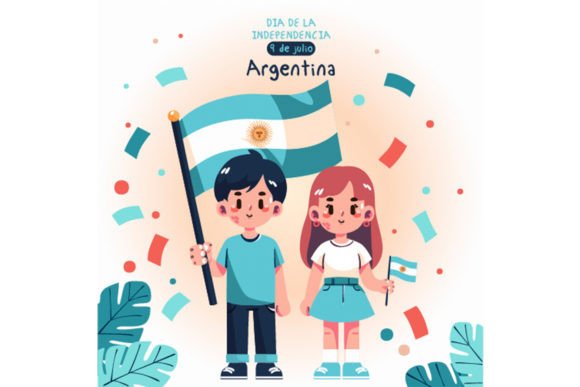
A notable option is a flag featuring children proudly holding the Argentine flag, such as the one described in the product brief. This design adds a human and emotional element to the symbol, making it suitable for family gatherings, school events, or any observance where you want to emphasize community and future generations. The image of children holding the flag can serve as a conversation starter about the meaning of independence and the role of young people in carrying forward national values. For those comparing this with a standard flag, the tradeoff is between a classic, universally recognized design and one that tells a more specific story. The standard flag is versatile and appropriate for any setting, while the children’s flag may resonate more deeply in educational or family-focused contexts.
Material quality is another factor. Flags made of high-quality materials are more durable and can be used both indoors and outdoors. If you plan to display the flag for the entire day or leave it up through weather changes, investing in a sturdy fabric is worthwhile. For indoor use or short-term display, a lighter material may suffice. When evaluating your options, consider how long you will display the flag, the environment where it will be placed, and whether you plan to reuse it for future holidays. A well-made flag can become a lasting part of your annual celebration, while a lower-quality option might need replacement each year.
Planning a Meaningful Observance at Home or in the Community
Beyond the flag, there are many ways to structure an Argentinian Independence Day celebration that fits your needs and preferences. Some people choose to host a traditional meal featuring Argentine foods such as empanadas, choripán, locro, and pastelitos. Others prefer to attend official ceremonies, such as the Te Deum in Buenos Aires or the parade in Tucumán. For those who cannot attend in person, virtual events and live streams offer an alternative. When comparing these approaches, consider your audience. A family with young children may benefit from a hands-on activity like making a flag craft or baking themed treats. An adult gathering might focus more on discussing the history and political significance of the declaration.
The tradeoff between a formal and informal celebration comes down to the level of structure you want. A formal observance might include an opening speech, a reading of the declaration, and a toast at a specific time. An informal celebration allows for more flexibility and spontaneity. Both approaches have strengths. Formal events create a sense of occasion and can educate participants about the history. Informal events make participation easier and can reduce pressure on the host. The best choice depends on your goals: if you are trying to instill a sense of historical awareness in children or guests, a structured program may work well. If your aim is simply to enjoy the day with loved ones, a relaxed approach is fine.
Another decision factor is whether to combine the celebration with other activities. Some people use the holiday as an opportunity to explore Argentine culture more broadly, including music, dance, literature, and film. Playing traditional folk music such as chacarera or zamba, or watching a film about Argentine history, can deepen the experience. For those who are not of Argentine descent but wish to participate respectfully, it is important to approach the holiday with genuine interest and to avoid stereotyping or trivializing the culture. Learning a few phrases in Spanish, reading about the independence process, and engaging with Argentine community resources can help make your observance more authentic.
Making an Informed Decision About Your Celebration Approach
At this point, you have several options to consider. You might choose a single flag for display, a full decor package, a home-cooked meal, a public event, or a combination of these. The right choice for you depends on your budget, your living situation, your social circle, and your personal connection to Argentina. If you are comparing options, start by defining your primary goal. Is it to educate? To gather people? To honor your heritage? To simply feel patriotic? Each goal points toward a different set of activities and products.
For example, if your goal is to show patriotism in a visible way, a durable flag that can be flown outdoors is a strong choice. If your goal is to create a warm, family-focused environment, a flag featuring children holding the flag adds a touch of tenderness and relatability. If your goal is to host a community event, you may need multiple flags, banners, and informational materials. The product described in the brief—a vibrant Argentina flag with children proudly holding it, made of high-quality materials suitable for indoor and outdoor use—fits best in a context where you want to combine visual impact with a message of family and continuity.
There are also limitations to consider. A flag with a specific image may not be appropriate for every setting. Official ceremonies, government buildings, or formal events often require a standard flag without additional graphics. If you plan to use the flag in multiple contexts, you may want both a standard version and a themed version. Similarly, if you are decorating a large space, you may need more than one flag or additional decor items. Budget is another practical factor. High-quality flags cost more upfront but can last for years, while cheaper alternatives may need frequent replacement. Think about your long-term use: if you celebrate Independence Day every year, investing in good materials pays off.
Ultimately, the best approach is the one that aligns with your values and circumstances. There is no single right way to celebrate Argentinian Independence Day. Some people prefer a quiet day of reflection. Others want a loud, festive gathering. Many fall somewhere in between. What matters is that the celebration feels genuine to you and that it honors the historical significance of July 9, 1816. By understanding the history, comparing your options, and thinking carefully about what you want to achieve, you can create an observance that is both personal and meaningful.
Whether you choose a simple flag display, a full community event, or a quiet family dinner, the most important element is your intention to remember and respect the day. Argentinian Independence Day is a reminder of the value of sovereignty, self-determination, and collective decision-making. Celebrating it with care and thoughtfulness ensures that its meaning continues to resonate for generations to come.